Pudendal Nerve Entrapment
Understanding chronic pelvic pain and pudendal nerve disorders
Pudendal Nerve Entrapment
Chronic Pelvic Pain Caused by Pudendal Nerve Compression
Pudendal Nerve Entrapment (PNE), also known as pudendal neuralgia, is a condition caused by irritation, inflammation, or compression of the pudendal nerve. This nerve plays an important role in sensation and function within the pelvic region, including the genitals, rectum, perineum, and pelvic floor muscles.
When the pudendal nerve becomes compressed or damaged, patients may experience chronic pelvic pain, burning sensations, numbness, and discomfort that can significantly interfere with daily activities and quality of life.
What Is the Pudendal Nerve?
The pudendal nerve originates from the lower spine and travels through the pelvis to provide:
- Sensation to the pelvic and genital regions
- Control of pelvic floor muscles
- Bladder and bowel function support
- Sexual function
Compression or irritation along the nerve pathway can result in persistent neurological pain and dysfunction.
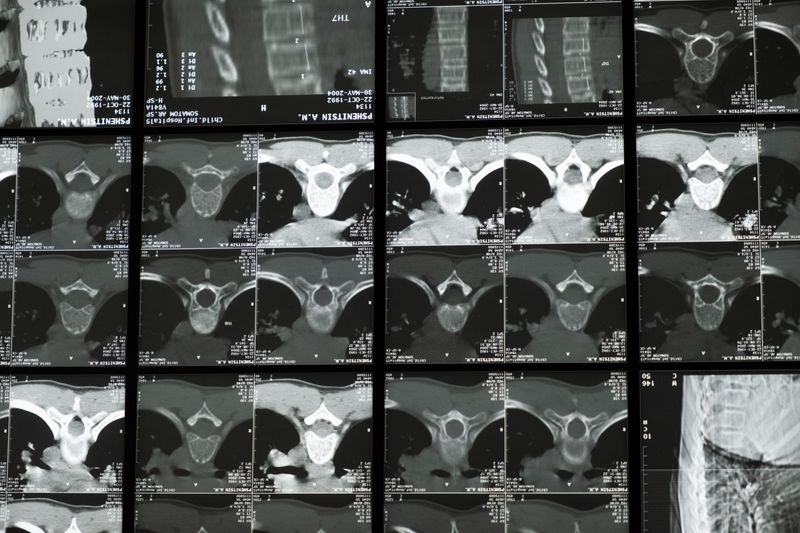
Common Symptoms of Pudendal Nerve Entrapment
Symptoms can vary in severity and may become worse while sitting or during prolonged activity.
Common Symptoms Include:
- Chronic pelvic pain
- Burning or stabbing sensations
- Pain while sitting
- Genital pain or numbness
- Perineal discomfort
- Rectal pain
- Tingling sensations
- Pain during or after physical activity
- Urinary or bowel discomfort
- Sexual dysfunction or pain
Symptoms are often described as persistent nerve-related pain that may worsen throughout the day.
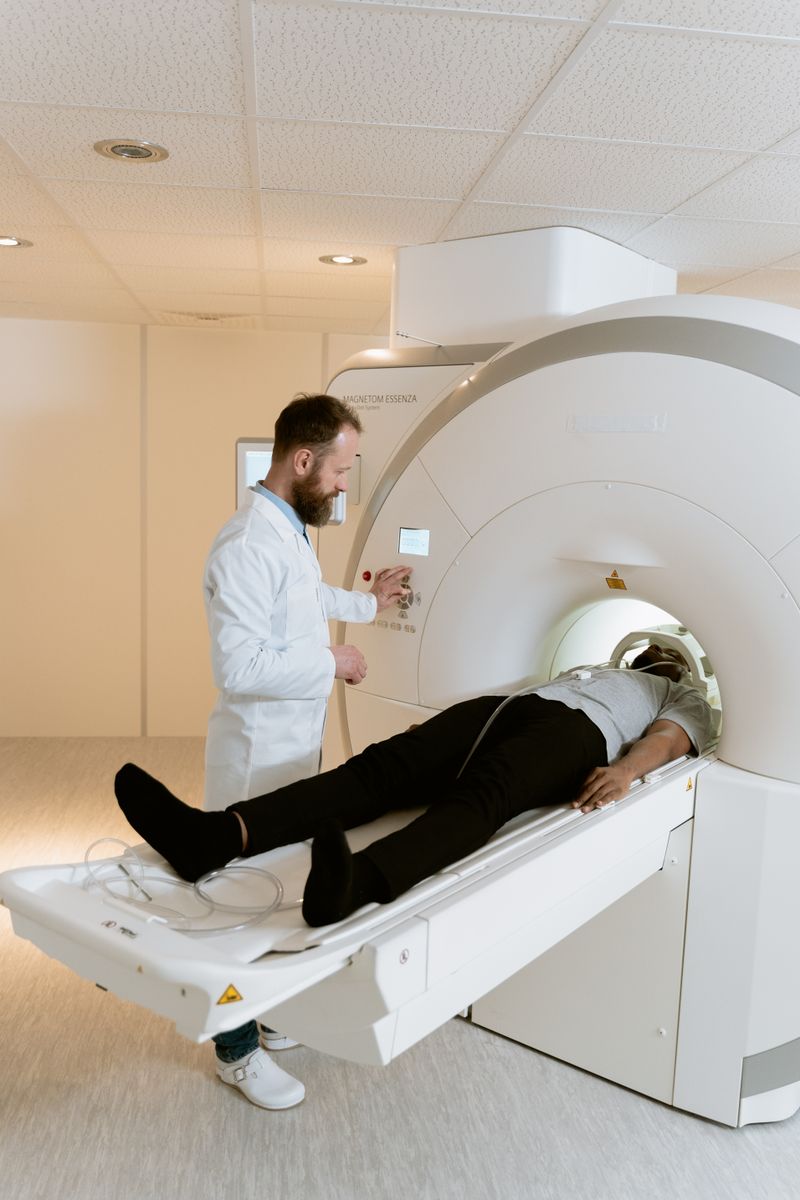
Common Causes of Pudendal Nerve Entrapment
Pudendal nerve irritation may result from:
- Pelvic trauma or injury
- Prolonged sitting
- Cycling or repetitive pressure
- Childbirth injuries
- Pelvic surgeries
- Scar tissue formation
- Muscle tightness or pelvic floor dysfunction
- Auto accidents
- Chronic inflammation
In some cases, the exact cause may not be immediately identified.
Diagnosis and Evaluation
Pudendal nerve entrapment can be difficult to diagnose because symptoms often overlap with other pelvic or neurological conditions. Diagnostic Evaluation May Include:
- Detailed medical history
- Physical and neurological examinations
- Pelvic floor assessment
- MRI or specialized imaging
- Diagnostic nerve blocks
- Functional pain evaluations
Treatment Options
Treatment focuses on reducing nerve irritation, relieving pain, and restoring pelvic function. Common Treatments Include:
- Pelvic floor physical therapy
- Medication management
- Nerve blocks
- Neuromodulation therapies
- Lifestyle and activity modifications
- Surgical consultation in severe cases
Importance of Early Treatment
Without treatment, pudendal nerve entrapment may lead to worsening pain, pelvic dysfunction, and reduced quality of life. Early intervention may help:
- Reduce nerve compression
- Improve sitting tolerance
- Restore pelvic function
- Reduce chronic pain
- Improve overall comfort and mobility

Specialized Care for Pudendal Nerve Disorders
Managing pudendal nerve entrapment often requires a comprehensive approach involving neurological evaluation, pelvic rehabilitation, and pain management. Individualized treatment plans are designed to help patients achieve long-term symptom relief and improved daily functioning.